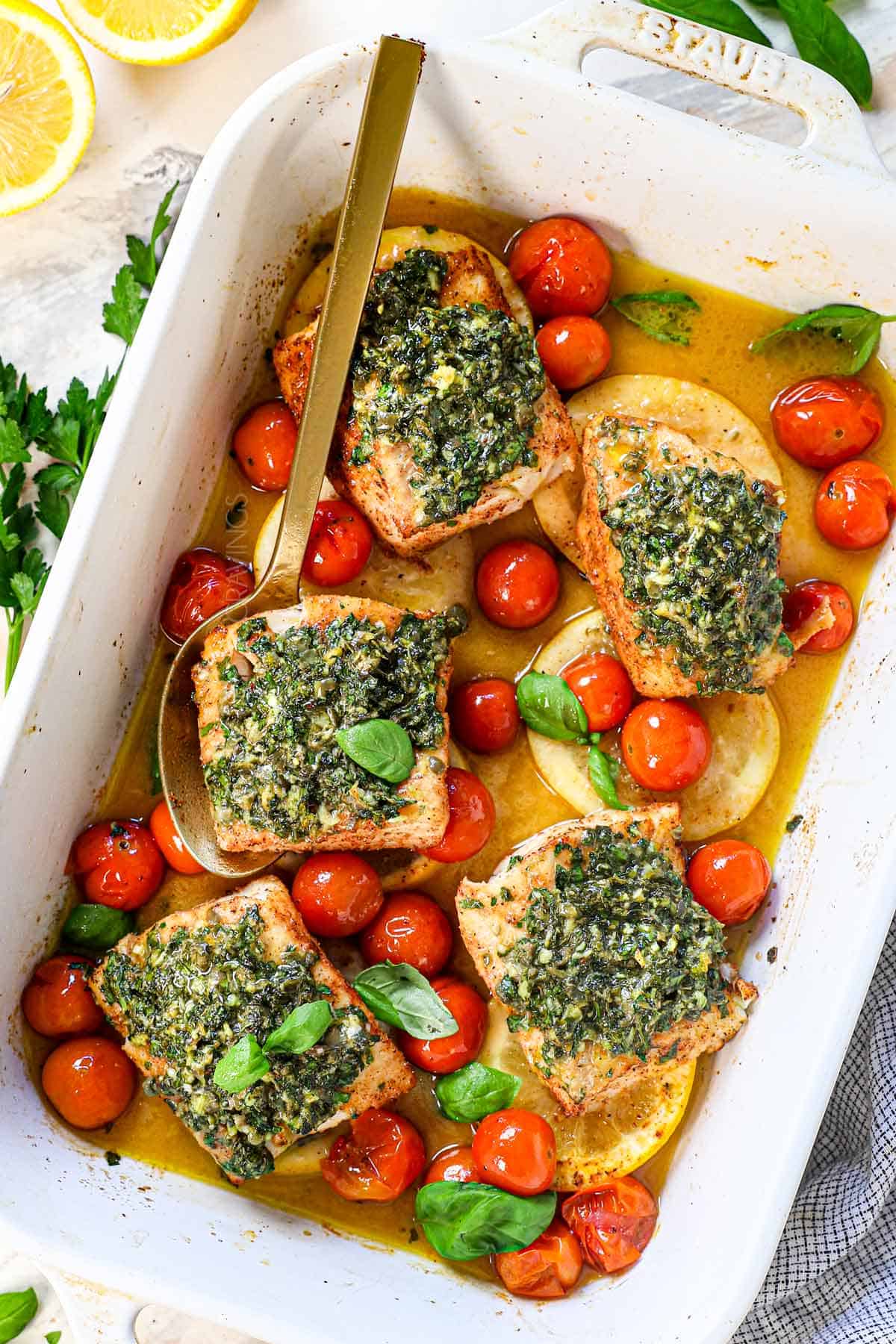
Why Baked Cod Deserves a Spot in Your Dinner Rotation
For many, the mention of cod conjures images of crispy, deep-fried fish and chips, a beloved classic for good reason. Yet, there’s a culinary revelation waiting for those who discover the simple elegance of baked cod. Far from its fried counterpart, oven-baked cod offers a remarkably tender, flaky, and flavorful experience that’s both healthy and incredibly easy to prepare. It’s a versatile canvas, ready to absorb your favorite seasonings, making it a perfect candidate for a quick weeknight dinner or a light, refreshing main course for any occasion.
This method of cooking fish in the oven has become a go-to for home cooks seeking a nutritious meal without the fuss. Whether you’re a seasoned chef or a beginner in the kitchen, a great recipe for baked cod is an invaluable addition to your repertoire. It’s a dish that celebrates the natural goodness of the fish, allowing its mild flavor to shine through with just a few simple ingredients.
The Essential Recipe for Baked Cod: A Step-by-Step Guide
Creating a truly delicious and flaky baked cod is surprisingly straightforward. This foundational recipe promises a buttery, garlicky, and lemon-infused fish that will become a family favorite. For more quick meal ideas, consider our article on Easy Baked Cod: Your Go-To 20-Minute Weeknight Dinner.
What You'll Need:
- 1-1.5 lbs cod fillets (about 2-4 fillets, depending on size)
- 2 tablespoons unsalted butter, melted or thinly sliced
- 1 lemon, thinly sliced or juiced
- 1 teaspoon kosher salt
- 1 teaspoon garlic powder
- 1/2 teaspoon paprika
- 1/4 teaspoon black pepper
- Fresh parsley, chopped (for garnish)
Simple Steps to Flaky Perfection:
- Preheat Your Oven: Start by preheating your oven to 375 degrees Fahrenheit (190 degrees Celsius). This ensures the oven is at the optimal temperature for even cooking once your fish goes in.
- Prepare the Cod: Gently pat your cod fillets dry with paper towels or a clean kitchen towel. This crucial step removes excess moisture, which helps the fish cook more evenly and prevents it from steaming rather than baking, leading to a firmer texture and better seasoning adherence.
- Arrange and Season: Place the dried fillets in a 3-quart baking dish. Evenly sprinkle both sides of the fish with kosher salt, garlic powder, paprika, and black pepper. The blend of garlic and paprika adds a warm, savory depth that perfectly complements the cod's mildness.
- Add Flavor Enhancers: Distribute the melted butter or thin slices of butter over the top of each fillet. Follow with thin slices of lemon placed directly on the fish, or a generous squeeze of fresh lemon juice. The butter contributes richness and helps keep the fish moist, while the lemon provides a bright, refreshing acidity that cuts through the richness and enhances the overall flavor.
- Bake to Perfection: Place the baking dish in the preheated oven. Bake for 15-20 minutes. The exact time will depend on the thickness of your fillets.
- Check for Doneness: The fish is ready when it easily flakes with a fork and reaches an internal temperature of 145 degrees Fahrenheit (63 degrees Celsius) at its thickest part. A meat thermometer is your best friend here to avoid overcooking.
- Garnish and Serve: Carefully remove the fish from the oven. Before serving, sprinkle generously with fresh chopped parsley for a burst of color and a fresh, herbaceous aroma.
Tips for Perfectly Flaky Cod Every Time
Achieving that coveted flaky texture in baked cod is simpler than you might think, but a few key practices can elevate your dish from good to unforgettable.
- Don't Overcook It: This is arguably the most important tip for any fish. Overcooked cod becomes dry, tough, and rubbery. As soon as it reaches 145°F internal temperature and flakes easily, remove it from the oven. The fish will continue to cook slightly from residual heat.
- Pat Dry, Always: We mentioned it in the recipe, but it bears repeating. Excess moisture on the surface of the fish can lead to steaming, which prevents a nice crust from forming and can result in a mushy texture. Dry fish means a better bake.
- Choose Evenly Sized Fillets: When buying cod, try to select fillets that are roughly the same thickness. This ensures they cook at the same rate. If you have one end of a fillet that's significantly thinner, you can gently fold it under itself to create a more uniform thickness.
- The Right Temperature Matters: Baking cod at 375°F (190°C) is ideal. This temperature is high enough to cook the fish relatively quickly, sealing in moisture, without being so hot that the exterior dries out before the interior is done.
- Consider a Quick Rest: While not strictly necessary for most fish, allowing your baked cod to rest for 2-3 minutes after removing it from the oven can help redistribute the juices, ensuring a moister, more tender result.
Flavor Variations & Versatile Pairings for Your Baked Cod
One of the true beauties of baked cod is its adaptability. Its mild taste makes it a perfect canvas for a myriad of flavors and an excellent partner for a wide range of side dishes.
Transforming the Flavor Profile:
While the garlic, lemon, and paprika blend is fantastic, don't hesitate to experiment with other seasonings to match your mood or meal theme:
- Mediterranean Marvel: Embrace the vibrant flavors of the Mediterranean by adding a pinch of dried oregano, coriander, and cumin to your spice rub, along with a drizzle of quality olive oil. This creates a wonderfully aromatic and savory dish. For a deeper dive into this style, check out Healthy Baked Cod: Garlic, Lemon, and Mediterranean Spices.
- Herbaceous Delight: Fresh herbs like dill, thyme, or rosemary, finely chopped and mixed with the butter, can add a sophisticated depth.
- Spicy Kick: A pinch of red pepper flakes or a dash of cayenne pepper can introduce a subtle warmth or a fiery punch, depending on your preference.
- Asian Infusion: Marinate briefly in a mix of soy sauce, ginger, garlic, and a touch of sesame oil before baking for an umami-rich experience.
Perfect Pairings:
Oven-baked cod truly shines when served alongside thoughtfully chosen accompaniments. It's truly a dish that can be served with almost anything!
- Vibrant Vegetables: Roasted asparagus, steamed broccoli, green beans, or even a medley of roasted root vegetables complement the fish beautifully. Their freshness and texture provide a lovely contrast.
- Hearty Grains: Rice, especially white or brown rice, is a fantastic choice as it readily soaks up all that delicious buttery, lemony sauce from the fish, ensuring no flavor goes to waste. Quinoa is another excellent, protein-rich grain option.
- Refreshing Salads: For a lighter meal, serve your baked cod alongside a crisp Quinoa Avocado Salad, a vibrant Beet and Orange Salad, or a simple garden salad with a light vinaigrette.
- Potato Perfection: Roasted potatoes, creamy mashed potatoes, or even a simple baked potato can be comforting and satisfying sides.
Fresh vs. Frozen: Sourcing the Best Cod for Your Dish
When embarking on your recipe for baked cod, the quality of your fish makes all the difference. Understanding the nuances between fresh and frozen cod can guide your purchasing decisions.
While "fresh" fish at the counter might seem like the obvious choice, it's not always superior. Depending on your location, the "fresh" cod you see may have been previously frozen and thawed for display. In many cases, high-quality, flash-frozen cod is an excellent, if not better, alternative.
- Flash-Frozen Cod: This fish is caught at its peak freshness and immediately frozen on the boat or shortly after landing. This process locks in flavor, texture, and nutrients. When properly thawed, flash-frozen cod can taste incredibly fresh.
- Wild-Caught vs. Farm-Raised: Whenever possible, opt for wild-caught cod. Wild-caught cod typically has a cleaner, fresher flavor, leaner meat, and is less likely to have a "fishy" aftertaste compared to some farm-raised varieties. It's often considered a more sustainable and healthier choice.
Handling Frozen Cod:
If you're using frozen cod, proper thawing is key to achieving the best results:
- Defrosting in the Refrigerator: The safest and best method is to transfer the frozen cod from the freezer to the refrigerator 8-12 hours before you plan to cook it, allowing it to thaw slowly overnight.
- Quick Thaw Method: For a faster approach, place the vacuum-sealed frozen fish in a bowl of cold water for about 30-60 minutes, changing the water every 15 minutes, until thawed. Avoid hot water, as this can start to cook the fish.
- Baking from Frozen: While not ideal for texture, you can bake cod directly from frozen. If doing so, increase your baking time to approximately 20-25 minutes at 375°F (190°C), or until it reaches the internal temperature of 145°F. Remember that baking from frozen might yield a slightly less tender result, but it's a convenient option in a pinch.
Conclusion
Mastering baked cod is a testament to the power of simplicity in cooking. This versatile, healthy, and incredibly flavorful dish proves that you don't need complex techniques or exotic ingredients to create something truly delicious. With our comprehensive recipe for baked cod and these practical tips for achieving perfect flakiness, you're well on your way to adding a truly outstanding meal to your weekly rotation. Whether you stick to the classic lemon-garlic-butter combination or venture into Mediterranean spices and other flavor variations, baked cod offers endless possibilities for a satisfying and easy dinner. Enjoy the journey of discovering your own favorite way to prepare this magnificent fish!
